



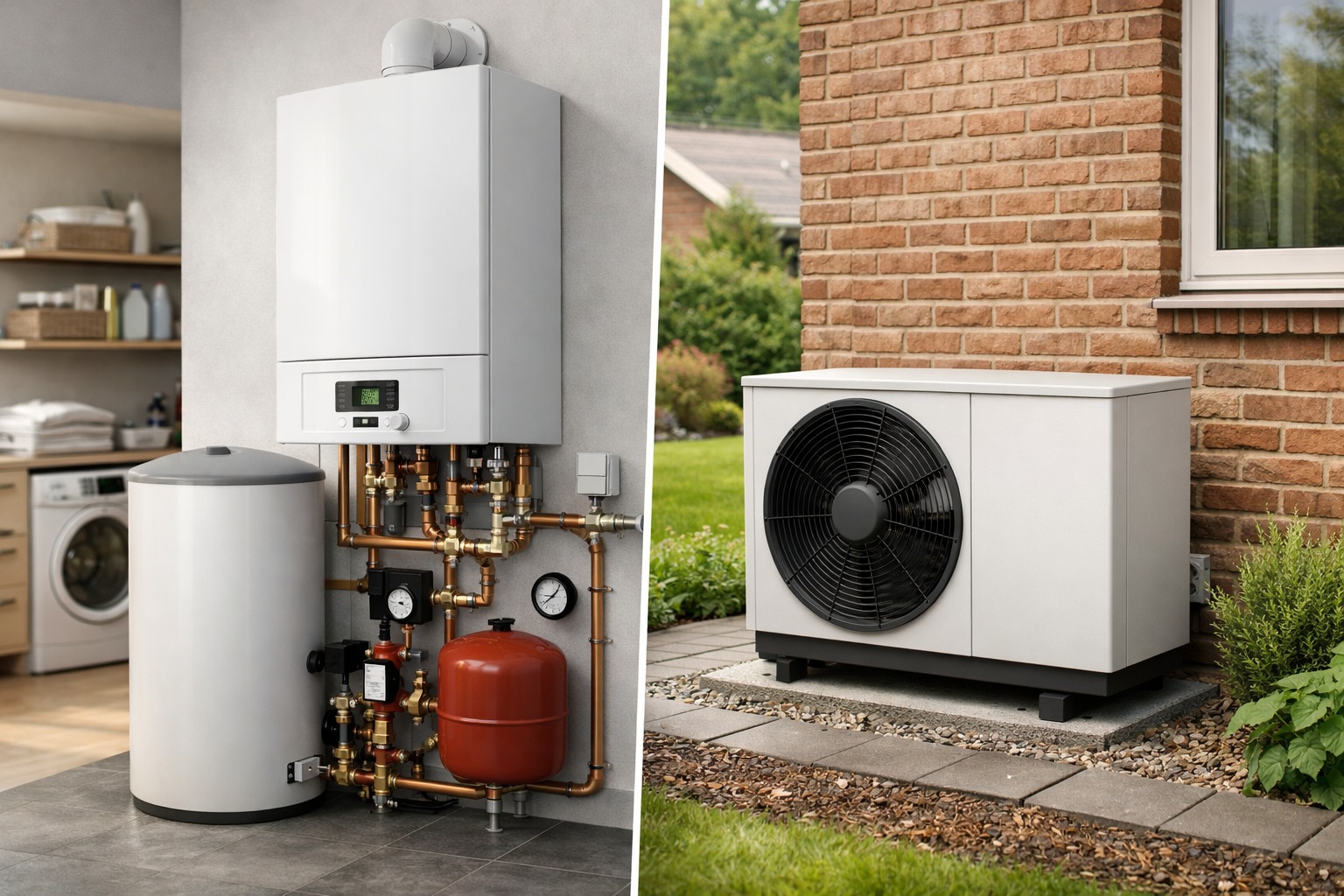
Choosing the right heating system is one of the most important decisions for any property owner in the UK. The system you select affects comfort, running costs, reliability, carbon footprint, and long-term maintenance.
With options such as boilers, air source heat pumps, and hybrid systems, understanding how each solution works and which one suits your property—is essential before making an investment.
This guide explains how to choose the right heating system based on property type, energy efficiency, installation requirements, and long-term value, whether for a home or a commercial building.
Understanding Your Heating Requirements
Before comparing heating systems, it’s important to understand what your property actually needs. Heating performance depends on more than just system type.
Property Size and Layout
Larger properties require systems capable of delivering consistent heat output across multiple rooms or zones. Commercial buildings often need higher-capacity systems with zoning controls, while homes may prioritise simplicity and efficiency.
Usage Patterns
- Homes typically need heating in the mornings and evenings
- Commercial buildings often require continuous or scheduled heating during business hours
Your daily usage directly impacts system efficiency and operating costs.
Existing Infrastructure
Your current setup plays a major role:
- Gas connection availability
- Existing pipework and radiators
- Electrical capacity
- Plant room or outdoor space
Some heating systems integrate easily into existing infrastructure, while others require upgrades.
Budget and Long-Term Planning
Initial installation cost is only part of the equation. Long-term factors include:
- Energy consumption
- Maintenance requirements
- Expected lifespan
- Future energy price changes
Types of Heating Systems Explained
Modern heating systems fall into several main categories, each designed for different requirements.
Boiler-Based Heating Systems
Boilers remain one of the most common heating solutions in the UK, particularly for properties connected to the gas network.
Boiler systems work by heating water and distributing it through radiators or underfloor heating.
Key characteristics of boilers:
- Reliable and familiar technology
- Strong heat output for cold weather
- Compatible with most existing radiator systems
- Available for domestic and commercial properties
Boilers are commonly used in:
- Homes with gas access
- Older buildings with traditional radiators
- Commercial premises requiring dependable heat delivery
👉 Related services: Boiler Installation & Maintenance
Air Source Heat Pump Systems
Air source heat pumps extract heat from the outside air and convert it into usable energy for heating and hot water.
Key characteristics of heat pumps:
- High energy efficiency
- Lower carbon emissions
- Uses electricity rather than gas
- Best performance in well-insulated buildings
Heat pumps are particularly suitable for:
- New-build properties
- Energy-efficient homes
- Businesses aiming to reduce carbon footprint
👉 Related services: Air Source Heat Pumps
Hybrid Heating Systems
Hybrid systems combine a boiler and a heat pump into a single setup. The system automatically switches between heat sources depending on demand and efficiency.
Key characteristics of hybrid systems:
- Flexibility in energy usage
- Improved efficiency during mild weather
- Reliable backup in colder conditions
Hybrid systems are ideal for properties transitioning toward low-carbon heating without fully removing traditional systems.
Key Factors That Affect Heating System Choice
Choosing the right heating system requires comparing core attributes that affect performance and cost.
Energy Efficiency and Running Costs
Energy efficiency determines how much heat is produced per unit of energy consumed.
- Heat pumps generally offer higher efficiency
- Boilers provide strong output but depend on fuel prices
Running costs depend on energy tariffs, insulation quality, and usage patterns.
Installation Requirements
Installation complexity varies significantly:
- Boilers often fit existing systems with minimal disruption
- Heat pumps may require insulation upgrades or larger radiators
- Commercial installations may involve plant room modifications
Proper assessment ensures the system operates as designed.
Environmental Impact
Reducing carbon emissions is increasingly important for homeowners and businesses alike.
- Heat pumps produce lower emissions when powered by renewable electricity
- Boilers rely on fossil fuels but newer models are more efficient
Environmental goals should align with system selection.
Maintenance and Reliability
All heating systems require maintenance, but the type and frequency vary:
- Boilers need annual servicing
- Heat pumps require regular performance checks
- Commercial systems often need scheduled maintenance contracts
Consistent maintenance protects efficiency and lifespan.
System Lifespan
Average lifespans differ by system type:
- Boilers typically last 10–15 years
- Heat pumps can last 15–20 years with proper care
Longer lifespan can offset higher initial costs.
Domestic vs Commercial Heating Considerations
Heating requirements differ significantly between homes and businesses.
Domestic Heating Systems
Homes usually prioritise:
- Comfort and temperature stability
- Quiet operation
- Simple controls
Domestic systems often focus on efficiency and affordability.
👉 Related services: Domestic Heating & Plumbing
Commercial Heating Systems
Commercial properties require:
- Higher output capacity
- Zoned heating control
- Compliance with safety and efficiency regulations
Reliability and downtime prevention are critical for businesses.
Should You Upgrade or Replace Your Heating System?
If your current system is inefficient, unreliable, or costly to run, an upgrade may be necessary. Replacement is often recommended when:
- Repair costs increase frequently
- Efficiency drops noticeably
- The system no longer meets property demands
A professional assessment ensures the most cost-effective solution.
When to Consult a Heating Engineer
Choosing the wrong heating system can lead to:
- High energy bills
- Poor comfort levels
- Ongoing maintenance issues
A qualified heating engineer evaluates your property, usage needs, and future goals before recommending the most suitable system.
Common Heating System Mistakes to Avoid
- Choosing a system based on price alone
- Ignoring insulation and heat loss
- Installing oversized or undersized equipment
- Delaying regular maintenance
Avoiding these mistakes ensures better performance and long-term value.
Final Thoughts on : Choosing the Right Heating System
The right heating system balances efficiency, reliability, comfort, and cost. By understanding your property’s requirements and comparing system types, you can make a confident, informed decision.
Whether you’re upgrading a home or planning a commercial installation, expert guidance ensures the system delivers maximum performance for years to come.
👉 If you’d like professional advice on selecting or upgrading your heating system, contact Brit Heating and Plumbing to arrange an assessment with experienced heating engineers.
FAQs – How to Choose the Right Heating System
1. What is the best heating system for a UK home?
The best heating system for a UK home depends on property size, insulation, budget, and energy goals. Gas boilers are suitable for homes with existing gas connections, while air source heat pumps are ideal for well-insulated properties aiming to reduce energy bills and carbon emissions.
2. Are boilers or heat pumps better for UK properties?
Neither system is universally better. Boilers provide strong heat output and work well in older homes, while heat pumps offer higher energy efficiency and lower emissions when installed in suitable properties. The right choice depends on insulation levels, usage patterns, and installation conditions.
3. How do I know which heating system is right for my property?
You should consider your property type, heat demand, existing infrastructure, and long-term running costs. A professional heating engineer can assess these factors and recommend the most efficient and cost-effective heating system for your home or business.
4. Is a heat pump suitable for older houses?
Heat pumps can be suitable for older houses if the property has good insulation and compatible heating distribution systems. In some cases, radiator upgrades or insulation improvements may be required to achieve optimal performance.
5. What is the most energy-efficient heating system?
Air source heat pumps are generally the most energy-efficient heating systems because they produce more heat energy than the electricity they consume. Their efficiency is highest in well-insulated buildings.
6. Should I replace my boiler or upgrade it?
Boiler replacement is recommended if your existing boiler is inefficient, frequently breaks down, or no longer meets your heating needs. An upgrade can improve energy efficiency, safety, and long-term reliability.
7. What heating system is best for commercial buildings?
Commercial buildings often require high-capacity heating systems with zoning and precise control. Depending on building size and usage, this may include commercial boilers, heat pumps, or hybrid systems designed for continuous operation.
8. Are hybrid heating systems worth it?
Hybrid heating systems are worth considering for properties transitioning to low-carbon heating. They combine the efficiency of heat pumps with the reliability of boilers, automatically switching based on conditions and demand.
9. How long do heating systems typically last?
Boilers usually last between 10 and 15 years, while air source heat pumps can last 15 to 20 years with proper installation and maintenance.
10. Do I need a heating engineer to choose a system?
Yes, a qualified heating engineer ensures the system is correctly sized, compatible with your property, and installed according to safety and efficiency standards. Professional assessment helps avoid costly mistakes.